
Introduction
Global energy and finance are built on two critical chokepoints: physical maritime straits and digital payment networks. A rapid closure of the Strait of Hormuz or the exclusion of major banks from SWIFT both expose how these nodes underpin the financialization of commodities. When disrupted, they fracture benchmarks, contracts, hedging, insurance, and currency flows. The 2026 Hormuz crisis and Russia’s 2022 SWIFT exclusion demonstrate striking parallels in mechanism and consequence, while imposing asymmetric costs on the West and accelerating the shift away from dollar/euro dominance and U.S./London-centric hubs.
The 2026 Hormuz Closure: Physical Disruption of Financialized Oil Markets
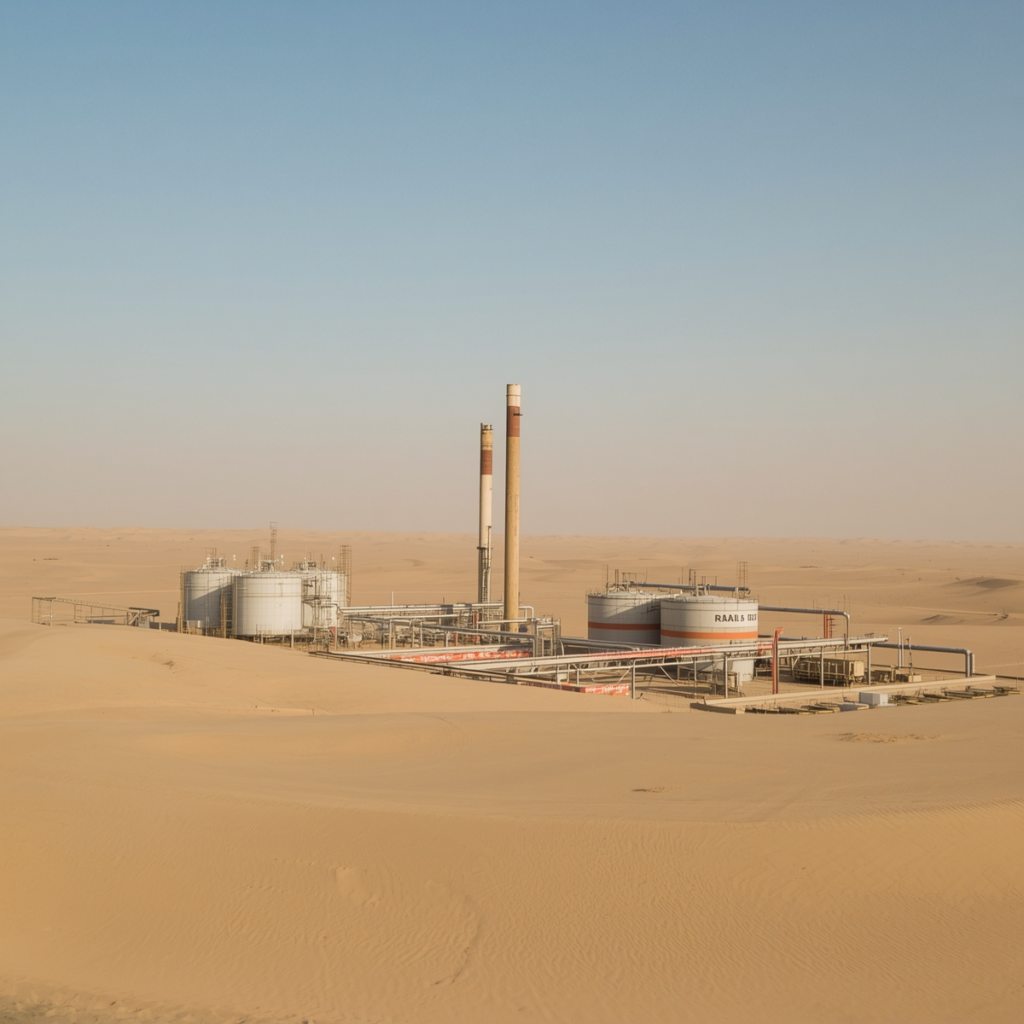
The Strait of Hormuz carries roughly 20% of global seaborne oil trade. In late February and early March 2026, conflict involving Iran produced an effective closure through mines, threats, attacks, and insurance withdrawal. Tanker transits collapsed.
Platts Dubai and related assessments immediately lost liquidity. Deliverable grades became un-nominatable, forcing Platts to suspend certain nominations and shift toward bypass-capable crudes. Physical spot premiums in Asia surged $30–60 per barrel above paper benchmarks amid aggressive bidding. Force majeure declarations proliferated across Gulf producers and operators, suspending long-term contracts priced off benchmarks plus differentials.
Hedging and derivatives markets suffered acute basis risk. Futures showed relative optimism compared with physical scarcity, producing steep backwardation and distorted price signals. War-risk insurance premiums rose dramatically (often to several percent of hull value), rendering commercial coverage uneconomic and effectively enforcing the disruption. Floating storage accumulated in the Gulf while Asian refiners faced feedstock shortages.
The episode revealed the core fragility of modern oil financialization: benchmarks and derivatives assume reliable physical convergence and verifiable transactions. When that assumption fails at a single chokepoint, the entire chain—from price discovery to risk transfer—breaks down rapidly.
Russia’s SWIFT Exclusion (2022): Institutional Weaponization of Payment Infrastructure
In March 2022, major Russian banks were disconnected from SWIFT following the invasion of Ukraine. SWIFT serves as the secure messaging layer for the overwhelming majority of cross-border bank payments. The move did not eliminate all transactions but created severe friction in payments, settlements, and trade finance.
European energy markets experienced immediate volatility. Russian Urals crude traded at deep discounts to Brent, distorting regional benchmarks. Payment uncertainty and subsequent supply maneuvers complicated term contracts. Russia responded by demanding ruble payments for gas and accelerating parallel systems (SPFS domestically and deeper integration with China’s CIPS). A “shadow fleet” emerged for oil exports to evade Western insurance and tracking rules.
The exclusion demonstrated how control over financial messaging infrastructure can be used as a sanctions tool. It forced rapid adaptation but also highlighted the system’s leverage over actors still integrated into dollar- and euro-based clearing.
Structural Similarities Between the Two Disruptions
Both episodes weaponize single points of failure in highly interdependent systems:
Force Majeure and Contract Breakdown: Widespread FM invocations suspended physical deliveries and payment obligations, forcing renegotiation of benchmark-linked contracts.
Benchmark and Hedging Impairment: Liquidity evaporated in key assessments (Dubai grades; Russian Urals transparency), producing large physical-paper divergences and complicating risk management.
Insurance as Enforcement Mechanism: Sharp repricing or withdrawal of coverage (war risk in Hormuz; sanctions-related hesitancy for Russian trade) amplified the initial disruption.
Currency and Settlement Friction: Both events accelerated moves toward alternative rails and currencies (yuan/stablecoins for Hormuz transit; rouble/yuan shifts for Russian energy).
Transmission of Volatility: Energy price spikes, safe-haven flows, and inflation pressures spread globally in both cases.
In essence, both reveal that the financialization of energy rests on fragile assumptions of uninterrupted physical flows and frictionless financial plumbing. Disruption at either layer cascades through the other.
Costs Borne by the United States and Europe
Europe absorbed the heaviest direct costs in both episodes. The 2022 SWIFT sanctions and Russian gas cuts triggered an acute energy crisis marked by price spikes, industrial curtailments, and expensive LNG substitution. The 2026 Hormuz disruption added further upward pressure on global energy prices and supply-chain costs at a time when Europe was still recovering.
In effect, this was the first time we’ve seen countries start a war by declaring a siege against themselves.
The United States experienced mixed effects. Higher oil prices supported domestic producers and LNG exporters, and temporary sanctions relief on Russian oil was granted in 2026 to stabilize markets. However, broader inflation risks, equity market volatility, and strategic burdens (military commitments, alliance management) mounted. Corporate exposure to higher input costs and disrupted supply chains affected U.S. firms as well.
In both cases, the West incurred significant economic and political costs while the targeted actors (Russia; Gulf producers under pressure) adapted through rerouting and alternative arrangements. Europe’s energy security and industrial competitiveness suffered structural damage; the U.S. gained short-term relative advantages in some energy segments but faced longer-term credibility costs to its financial architecture.
Acceleration of De-Dollarization and Fragmentation
These crises have materially sped up the erosion of dollar and euro dominance and the decline of U.S./London-centric transaction hubs.
Sanctions and chokepoint leverage demonstrated the risks of over-reliance on Western-controlled infrastructure. Russia accelerated bilateral settlement in yuan and rubles and deepened ties with Chinese payment systems. The Hormuz events prompted explicit use of yuan and stablecoins for safe passage and tolls in some corridors, directly challenging the petrodollar mechanism at a critical physical node.
Central banks and corporates are responding with reserve diversification, gold accumulation, and the development or expansion of parallel systems (CIPS, SPFS enhancements, potential BRICS mechanisms). Asian demand centers are increasingly comfortable settling energy trade outside dollar channels when geopolitical risk rises. London’s historical role in oil pricing, insurance, and derivatives faces growing competition from regional hubs less exposed to Western sanctions reach.
The result is a gradual but accelerating multi-polarization of global finance. Efficiency losses are real, yet the perceived security benefits of reduced dependence on weaponizable nodes are driving structural change. The combination of repeated financial sanctions and physical chokepoint crises has shifted de-dollarization from a theoretical discussion to a practical, ongoing process.
Conclusion
The 2026 Hormuz disruption and Russia’s SWIFT exclusion are not isolated events but manifestations of the same underlying tension: highly financialized commodity systems are vulnerable to targeted disruption at critical nodes. Their similarities in mechanism and consequence underscore the interconnectedness of physical and financial layers. While Russia demonstrated adaptive capacity and Europe paid the heaviest immediate price, both episodes have reinforced incentives for diversification away from dollar/euro-centric and Western-hub-dependent arrangements. The long-term trajectory is toward a more fragmented, multi-polar financial architecture in energy and beyond—one that prioritizes resilience over the efficiencies of the previous unipolar model.
It’s difficult to ascertain at this early stage whether it’s the US exerting control or losing it, but the latter seems more likely.
Key Indicators to Monitor in News Releases
Watch for these signals of deepening systemic change or vulnerability:
- Sharp rises in war-risk or sanctions-related insurance premiums for specific routes or counterparties.
- Force majeure declarations by major state energy companies or producers.
- Benchmark methodology changes, suspensions, or reduced liquidity reported by Platts, Argus, or similar agencies.
- Widening gaps between physical spot prices and futures/paper benchmarks, especially in prompt periods.
- Announcements of non-dollar or local-currency settlements in major energy or commodity trades.
- Growth in shadow fleets, alternative shipping arrangements, or new insurance providers outside traditional Western markets.
- Central bank statements on reserve diversification, increased gold purchases, or reduced dollar holdings.
- Expansion or reported usage growth of parallel payment systems (CIPS, SPFS, or similar).
- New bilateral currency swap agreements or local-currency trade pacts specifically covering energy or strategic commodities.
- Corporate or government announcements of supply-chain rerouting or diversification away from traditional chokepoints and financial hubs.
These indicators, when appearing together or with increasing frequency, point to structural shifts rather than temporary market noise.
The author has 30+ years in oil industry and financial experience, including extensive work in Saudi Arabia’s Ghawar field, in options trading and accounting systems. The article was researched and summarized using a combination of personal experience and AI.